Get Network Cabling Service
Network cabling services connect and install data, phone, and security systems for property owners, handling projects like office setups, home networks, and business infrastructure.
Network cabling services are essential for establishing reliable and efficient communication infrastructure within properties. Property owners in the area might explore these services to support expanding technology needs, improve internet connectivity, or enhance security systems. Whether upgrading existing networks or installing new infrastructure, understanding the options available from local contractors can help ensure the project meets practical requirements and long-term functionality. Keep reading to discover how local service providers can assist in planning and executing your network cabling projects effectively.
Comparing local contractors who specialize in network cabling can provide valuable insights into the variety of solutions tailored to different property types and technical demands. Many property owners find it beneficial to explore a range of options to identify the most suitable approach for their specific needs. By considering the expertise and offerings of nearby service providers, property owners can make informed decisions about their network infrastructure, ensuring a seamless integration with their existing systems and future growth plans.
- Commercial Office Installations - when a business needs reliable cabling to support their network infrastructure.
- Data Center Upgrades - for organizations upgrading or expanding their data storage and server connections.
- New Construction Projects - during building developments requiring comprehensive network cabling installation.
- Home Network Expansions - when homeowners add devices or improve their home internet connectivity.
- Event Venue Setups - for temporary or permanent network wiring needed to support large gatherings or conferences.
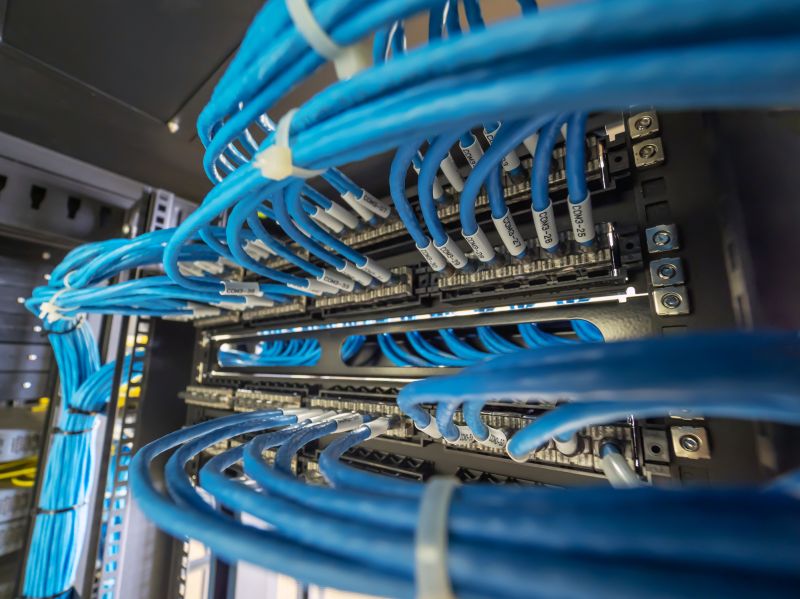

Network cabling services involve installing, upgrading, and maintaining the structured wiring systems that connect computers, servers, telephones, security systems, and other electronic devices within a property. These services typically include running Ethernet cables, fiber optics, and other wiring types through walls, ceilings, and floors to ensure reliable data transmission. Proper installation ensures that all connected devices communicate efficiently, reducing lag, dropouts, and connectivity issues. Skilled contractors also handle cable management to keep wiring organized and accessible for future upgrades or repairs.
Many common problems can be addressed through professional network cabling services. These include slow internet speeds caused by outdated or poorly installed wiring, frequent disconnections, or network congestion in busy environments. In addition, issues such as signal interference, limited bandwidth, or inadequate wiring infrastructure can hinder the performance of home or business networks. By upgrading or properly installing cabling, property owners can experience more stable connections, faster data transfer, and improved overall network reliability.
Properties that typically benefit from network cabling services include residential homes, especially those with multiple devices or home offices, as well as commercial buildings like offices, retail spaces, and warehouses. Larger properties or those undergoing renovations often require comprehensive wiring solutions to support expanded network needs. Even smaller homes may need new or additional wiring when upgrading internet plans, installing smart home systems, or setting up new entertainment or security devices. These services help ensure that connectivity issues do not disrupt daily activities or business operations.
Homeowners and property managers often seek network cabling services when setting up new internet connections, expanding existing networks, or troubleshooting connectivity problems. Reliable wiring is essential for streaming, online gaming, remote work, security cameras, and smart home devices. Whether installing new cables during a renovation or upgrading an outdated system, professional contractors can assess the property’s needs and provide tailored solutions. Connecting with experienced service providers can help ensure a robust, efficient network that supports current and future technology demands.
The overview below groups typical Network Cabling Service projects into broad ranges so you can see how smaller, mid-sized, and larger jobs often compare in your area.
In many markets, a large share of routine jobs stays in the lower and middle ranges, while only a smaller percentage of projects moves into the highest bands when the work is more complex or site conditions are harder than average.
Smaller Repairs - Typical costs for minor network cabling repairs or upgrades range from $250 to $600. Many routine jobs fall within this middle range, depending on the scope of work and materials needed.
Basic Installation - Installing new network cabling in a small office or home setting usually costs between $600 and $1,500. Larger or more complex setups can push costs higher, but most projects stay within this range.
Full Network Setup - Complete network cabling for larger commercial spaces often ranges from $1,500 to $5,000. Many projects fall into the lower to mid part of this spectrum, with more extensive systems reaching higher costs.
Major Replacements - Replacing an entire network infrastructure can exceed $5,000, especially for extensive or complex systems. Such projects are less common and typically represent the upper end of typical cost ranges.
Actual totals will depend on details like access to the work area, the scope of the project, and the materials selected, so use these as general starting points rather than exact figures.
Data Center Cabling - involves planning and installing structured cabling systems to support high-density data and voice connections in large-scale facilities.
Office Network Setup - includes designing and installing cabling infrastructure to ensure reliable internet and phone connections across commercial workspaces.
Home Theater Wiring - requires running audio, video, and network cables through walls and ceilings for integrated entertainment systems.
Security System Wiring - involves installing network and power cables for surveillance cameras, access controls, and alarm systems.
Wireless Network Extension - focuses on running network cables to strategically position access points for expanded Wi-Fi coverage.
Server Room Installation - entails setting up organized cabling for servers, switches, and storage devices to ensure efficient data flow.
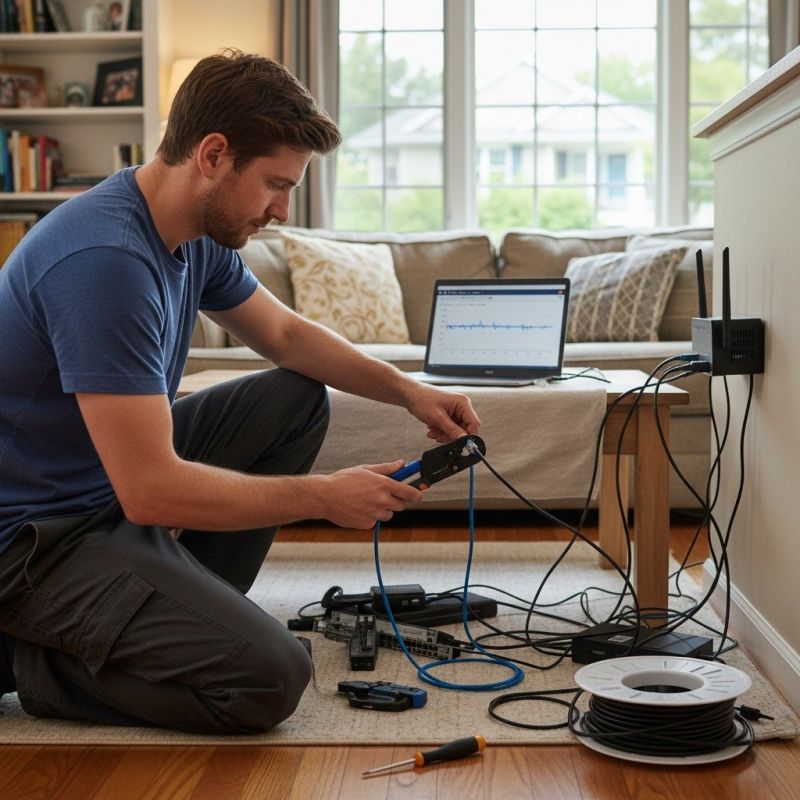
When comparing service providers for network cabling projects, it’s important to consider their experience with similar types of work. A contractor’s history handling projects comparable in size and complexity can provide insight into their capabilities and familiarity with the specific requirements of your setup. Homeowners should look for local contractors who can demonstrate a track record of successfully completing projects similar to theirs, ensuring that the chosen professional understands the nuances involved and can deliver quality results.
Clear, written expectations are essential when selecting a network cabling service provider. Before engaging a contractor, it’s helpful to review detailed descriptions of the scope of work, materials to be used, and the standards they adhere to. This transparency helps prevent misunderstandings and ensures everyone is aligned on the project’s goals. Homeowners should seek out local service providers who communicate their process clearly and are willing to provide written estimates or proposals that outline the work involved.
Reputable references and good communication are also key factors in choosing a reliable network cabling contractor. Local pros with positive references from previous clients can offer reassurance about their professionalism and the quality of their work. Additionally, responsive and clear communication throughout the process indicates a contractor’s commitment to customer service. While the site introduces homeowners to local options, it’s important to remember that the actual work will be performed by the selected service provider, not the platform itself.
Property owners use Network Cabling Service services for practical projects around their homes and businesses. This guide focuses on everyday jobs and straightforward project options.
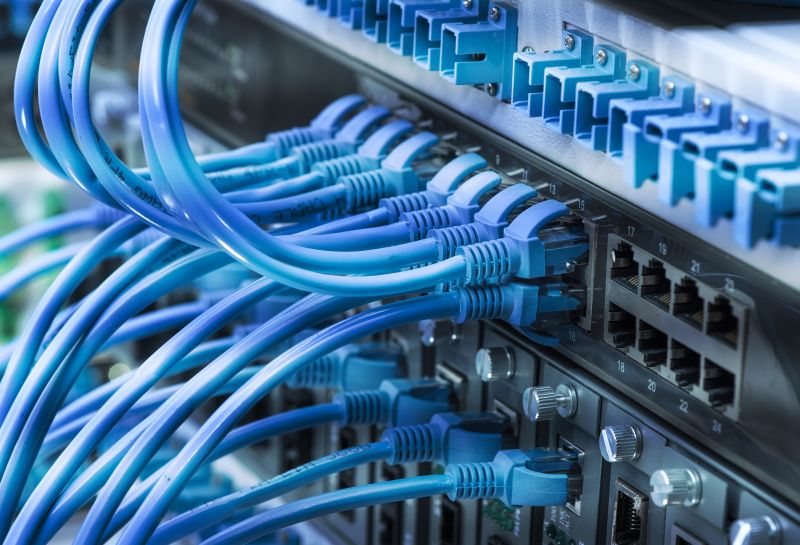
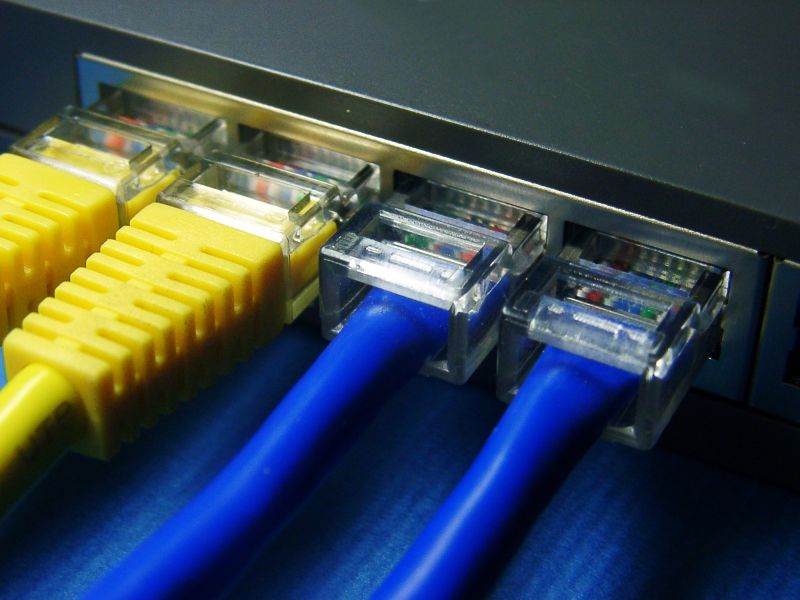
Network cabling services are commonly needed during home or office upgrades, new construction projects, or when existing wiring no longer meets the demands of modern technology. Property owners may seek these services to ensure reliable internet connections, support for smart home devices, or to create a more organized and efficient communication setup. Local contractors can assist with installing, upgrading, or repairing cabling systems to help homes and businesses stay connected and functional.
In everyday situations, property owners might look for network cabling services when setting up a home office, expanding a business, or troubleshooting connectivity issues. Properly installed cabling can improve network performance and reduce disruptions. Local service providers are equipped to handle these tasks, offering tailored solutions that meet the specific needs of each property, whether for residential or commercial spaces.
What types of network cabling services do local contractors provide? Local service providers typically offer installation, repair, and maintenance of various network cabling systems, including Ethernet, fiber optic, and coaxial cables.
How can I ensure my network cabling is properly installed? Consulting with experienced local contractors can help ensure that network cabling is installed according to industry standards for performance and safety.
What should I consider when upgrading my existing network cabling? It’s advisable to have a professional evaluate your current setup and recommend suitable upgrades to improve speed and reliability.
Are there options for running network cables through walls or ceilings? Yes, many local service providers specialize in discreet cable routing through walls, ceilings, and other hard-to-reach areas to maintain a clean appearance.
What are common issues that can affect network cabling performance? Common issues include improper cable connections, damaged cables, and interference from other electronic devices, which local contractors can diagnose and resolve.
Home Office Networking - Enhance your workspace by installing reliable network cabling to support multiple devices and smooth video conferencing.
Smart Home Integration - Connect smart devices throughout a property with structured cabling that ensures seamless operation and expansion.
Entertainment System Setup - Improve your home entertainment experience by wiring audio, video, and internet connections for optimal performance.
Business Network Expansion - Upgrade or extend network infrastructure in commercial spaces to accommodate growing technology needs.
If you are thinking about Network Cabling Service for a property, this guide is meant to help you understand the work, the typical project types, and how different options might fit your plans.
When you are ready, you can use the quote form on this page to share a few details about your project. From there, local pros can review the basics and respond with options that match what you have in mind.